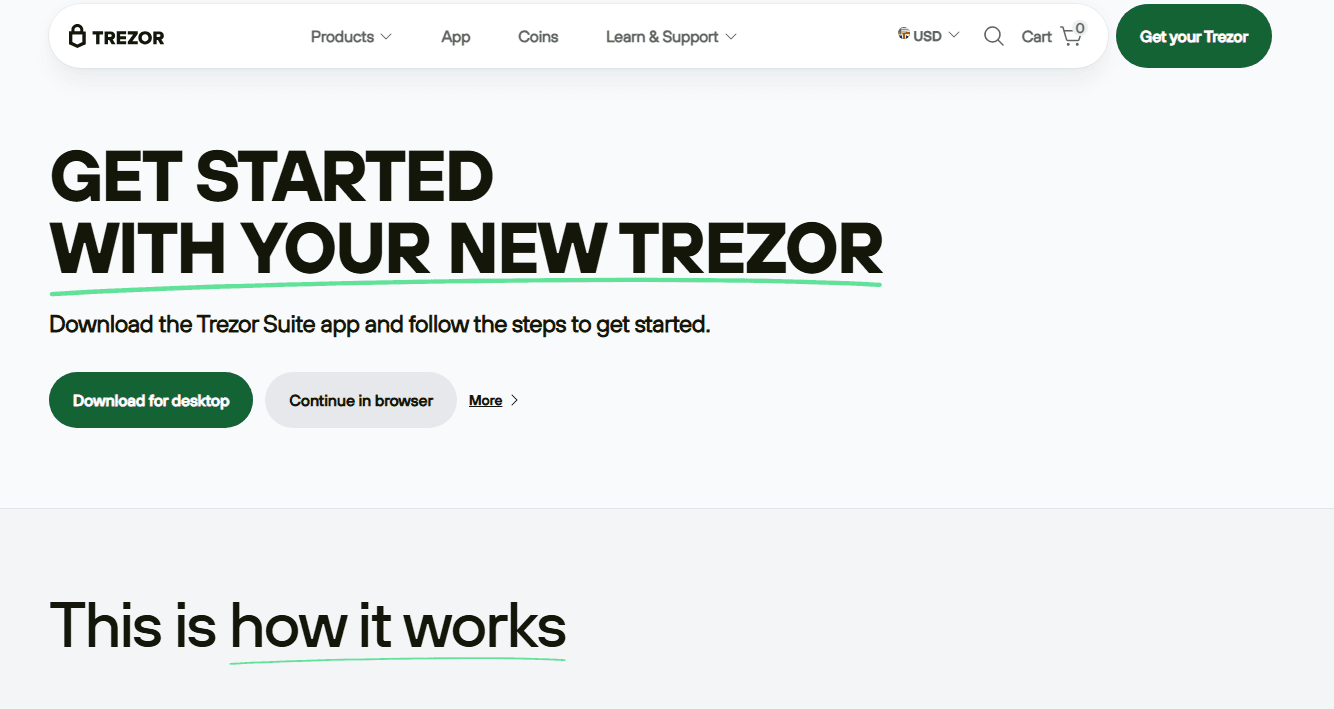
Trezor.io/Start: Complete Guide to Setting Up Your Trezor Hardware Wallet Securely
As cryptocurrency adoption continues to grow, securing digital assets has become more important than ever. Online wallets and exchanges, while convenient, are often vulnerable to hacks and cyber threats. This is where hardware wallets provide a powerful solution. Trezor.io/Start is the official starting point for users who want to set up a Trezor hardware wallet safely and correctly.
This guide explains what Trezor.io/Start is, how it works, and how users can use it to initialize their Trezor device, protect their recovery phrase, and confidently manage cryptocurrency holdings.
What Is Trezor.io/Start?
Trezor.io/Start is the official onboarding and setup platform designed for Trezor hardware wallets. It guides users through the essential steps required to initialize a new Trezor device or restore an existing one. The platform ensures that the setup process is secure, transparent, and easy to follow, even for beginners.
The purpose of Trezor.io/Start is to help users avoid common security mistakes, such as unsafe wallet creation or improper storage of recovery phrases. By following the guided steps, users can ensure their private keys remain protected and fully under their control.
Why Choose a Trezor Hardware Wallet?
A Trezor hardware wallet stores private keys offline, which significantly reduces the risk of online attacks. Unlike software wallets, which are connected to the internet, a hardware wallet keeps sensitive data isolated within the device.
Key benefits of using a Trezor wallet include:
Full ownership and control of private keys
Protection against malware and phishing attacks
Offline storage of sensitive information
Support for a wide range of cryptocurrencies
Open-source transparency and security design
Using Trezor.io/Start ensures these benefits are activated correctly from the very beginning.
Getting Started with Trezor.io/Start
When users visit Trezor.io/Start, they are guided through a structured setup process. This process is designed to work with official Trezor devices and compatible software environments.
The setup generally involves:
Connecting the Trezor device to a computer or mobile device
Installing the necessary wallet interface
Initializing the device or restoring an existing wallet
Creating and securing a recovery phrase
Confirming security settings
Each step is carefully explained to minimize errors and maximize safety.
Installing the Wallet Interface
Before using a Trezor device, users must install the official wallet interface that allows interaction with the hardware wallet. This interface acts as a dashboard where users can view balances, send and receive crypto, and manage accounts.
During installation, users are advised to:
Use a trusted computer or device
Avoid public or shared systems
Ensure the operating system is up to date
Once installed, the interface communicates directly with the Trezor device while keeping private keys securely stored offline.
Initializing a New Trezor Device
For new users, Trezor.io/Start walks through the initialization process step by step. This includes generating a new wallet and creating a unique recovery phrase.
During initialization:
The Trezor device generates private keys internally
The recovery phrase is displayed only on the device screen
No sensitive information is shared online
This process ensures that only the user has access to the wallet credentials.
Understanding the Recovery Phrase
One of the most critical steps in the setup process is recording the recovery phrase. This phrase is the master backup for the wallet and is required to restore access if the device is lost, damaged, or replaced.
Important rules for recovery phrase security include:
Write it down on paper and store it offline
Never take photos or store it digitally
Never share it with anyone
Keep it in a secure and private location
Trezor.io/Start emphasizes that losing the recovery phrase means losing access to funds permanently.
Restoring an Existing Wallet
For users who already have a Trezor wallet and recovery phrase, Trezor.io/Start also provides the option to restore an existing wallet. This process allows users to regain access to their assets using a new or reset device.
The restoration process includes:
Selecting the restore option
Entering the recovery phrase directly on the device
Rebuilding accounts and balances securely
This feature ensures that users maintain long-term access to their assets even if the original device is no longer usable.
Setting a PIN for Device Protection
After initialization or restoration, users are prompted to create a PIN. This PIN adds an additional layer of protection, preventing unauthorized physical access to the device.
A strong PIN:
Protects the device if it is stolen or lost
Is required every time the wallet is connected
Cannot be bypassed without the recovery phrase
Trezor.io/Start explains how to choose and confirm a PIN safely.
Managing Cryptocurrency Accounts
Once setup is complete, users can begin managing cryptocurrency accounts. The wallet interface allows users to add accounts for different supported cryptocurrencies, each with its own address and balance.
Account management features include:
Viewing balances in real time
Sending and receiving crypto securely
Reviewing transaction history
Managing multiple assets from one dashboard
All transactions must be physically confirmed on the Trezor device, ensuring maximum security.
Security Best Practices
Trezor.io/Start also educates users on essential security habits that should be followed long after setup is complete. These practices help maintain long-term protection of digital assets.
Recommended best practices include:
Always verify transaction details on the device screen
Keep firmware and wallet software updated
Avoid using unknown computers or networks
Never enter the recovery phrase on websites or apps
Store the device and backup separately
Following these guidelines significantly reduces the risk of loss or theft.
Firmware Updates and Maintenance
Firmware updates are an important part of maintaining wallet security. Trezor.io/Start explains how to safely update device firmware to benefit from security improvements and new features.
Before updating:
Ensure the recovery phrase is safely stored
Use a stable and trusted device
Follow on-screen instructions carefully
Regular updates help protect against newly discovered vulnerabilities.
Who Should Use Trezor.io/Start?
Trezor.io/Start is suitable for:
Beginners setting up their first hardware wallet
Experienced crypto users upgrading security
Long-term investors holding digital assets
Anyone who values self-custody and privacy
The guided process ensures users of all experience levels can set up their wallet confidently.
Conclusion
Trezor.io/Start is the foundation of a secure cryptocurrency experience with a Trezor hardware wallet. By following its guided setup process, users can initialize their device correctly, protect their recovery phrase, and gain full control over their digital assets.
From generating private keys offline to confirming transactions on a physical device, Trezor.io/Start emphasizes security at every step. For anyone serious about safeguarding cryptocurrency, understanding and using Trezor.io/Start properly is an essential first step toward long-term digital asset protection.